
Discover
The books guests recommended as having influenced their lives.
78 books from 15 conversations on Books of Your Life with Elizabeth.
Jump to a guest
Sarah Jessica Parker Scott Harrison Abby Falik Anne Lamott Radha Agrawal LeVar Burton Marlon James Dave Eggers Nora McInerny Frederic Tuten Will Schwalbe Jared Diamond Melinda Gates Helen Hoang Neil Gaiman
Sarah Jessica Parker
4 books · Listen to the episode

Golden Child
Claire Adam
★ 3.46 on Goodreads (9,111 ratings)
Why it’s here
The second title from her imprint SJP for Hogarth, a novel set in Trinidad about a father, his twin sons, and an impossible decision when one boy disappears. She explains why it spoke to her as a parent and what she hopes readers take from it.
“Well, I guess the book spoke to me, perhaps because I'm a parent. And, you know, that obviously informs, often informs the way I read. But I think because there are so many choices being illustrated, you know, because the sort of protagonist, the father of these two deeply compelling young boys, is forced to make really difficult decisions. I think as a parent, I was struck by the agony of that.”
Sarah Jessica Parker, at 04:08
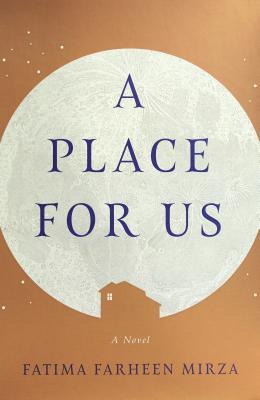
A Place for Us
Fatima Farheen Mirza
★ 4.17 on Goodreads (69,133 ratings)
Why it’s here
The first novel published by SJP for Hogarth. She names it alongside Golden Child as the kind of book she hopes helps readers understand people unlike themselves.
“I guess what I'm hoping for is that we take the time to understand people. We open ourselves up to others, to difference, especially, I think, in this current political climate where lots of – it's just enormously divisive right now.”
Sarah Jessica Parker, at 08:02
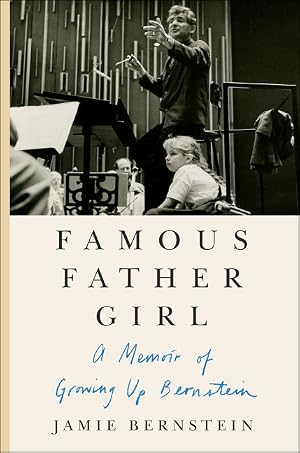
Famous Father Girl
Jamie Bernstein
★ 3.90 on Goodreads (1,678 ratings)
Why it’s here
Leonard Bernstein's daughter's memoir of growing up in his shadow. Parker heard about it from Broadway friends and grew up on Bernstein's recordings.
“Well, it's not a typical pick for me. I – this summer somebody – I was sitting with a group of people, many of whom work in the musical theater in New York and work on Broadway, lyricists and songwriters. And a bunch of them were reading it, some of whom know Jamie Bernstein, grew up with her.”
Sarah Jessica Parker, at 11:10
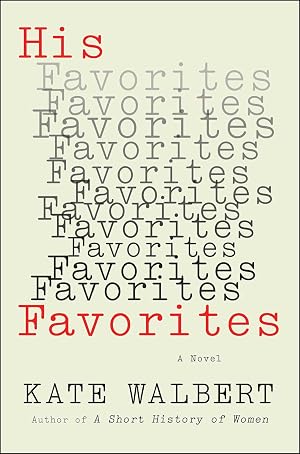
His Favorites
Kate Walbert
★ 3.24 on Goodreads (3,360 ratings)
Why it’s here
A short novel about a 15-year-old girl sent to boarding school and exploited by a teacher. Parker also recommends it to younger readers.
“And, um, I thought given the conversation that's happening right now in our country with Me Too movement and Time's Up, it seemed like it was something that might be interesting.”
Sarah Jessica Parker, at 17:32
Scott Harrison
4 books · Listen to the episode
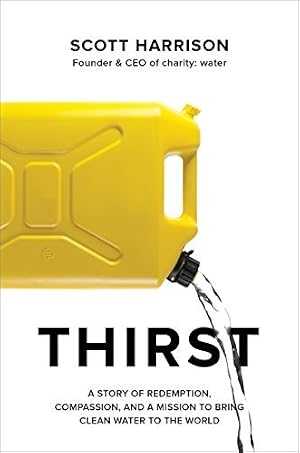
Thirst
Scott Harrison
Scott Harrison’s own book
★ 4.44 on Goodreads (5,800 ratings)
Why it’s here
Harrison's memoir of going from New York club promoter to founder of charity: water. He explains why he wrote it and what readers might take from it.
“Well, I wanted to share my story, I think, in the hopes that it might inspire other people. I mean, I think a lot of people have been talking about purpose these days and it's almost become this buzzword, right? Finding your purpose. And, you know, I was looking for mine in all the wrong places.”
Scott Harrison, at 01:20
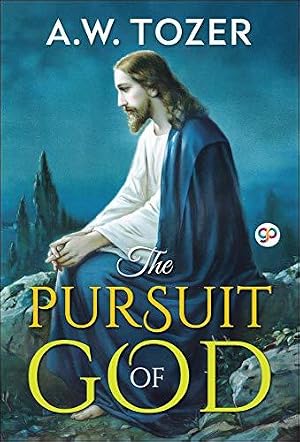
The Pursuit of God
A. W. Tozer
★ 4.39 on Goodreads (90,282 ratings)
Why it’s here
The Christian classic Harrison was reading, hungover, on a party trip to Uruguay when he decided to change his life.
“And I did begin, you know, reading dense theology hungover. So it was funny contrast, you know, felt like I was reading the exact opposite picture of my life. And that was really interesting. I've always been a, a pretty extreme person. So that led me to come back to New York City and sell everything I owned and eventually go to postwar Liberia as a photojournalist on this humanitarian ship.”
Scott Harrison, at 05:15
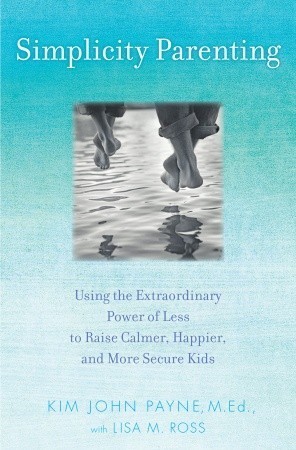
Simplicity Parenting
Kim John Payne
★ 4.23 on Goodreads (16,622 ratings)
Why it’s here
A parenting book arguing that children have too much stuff, too many choices and too little pause. Harrison gives copies away and tried its advice of hiding half his son's toys.
“So I'm always asking parents, what are the best books that you've read on parenting? And this came up from a couple of people. And I think what, what immediately attracted me to the book is first of all, the title. So you kind of know what you're getting into. And I think parenting can feel complex. And the world that we're bringing our children into can feel incredibly complex and confusing at some point. So a friend gave it to me.”
Scott Harrison, at 11:29

Getting Things Done
David Allen
★ 4.00 on Goodreads (170,923 ratings)
Why it’s here
The productivity book that changed his life: write everything down, then triage it. Harrison read it about ten years before this conversation.
“This is, I feel like this book hit me 10 years ago. Um, the principle is almost so simple. It's, you got to write everything down. And he just has a system for lists and triaging the, how to take the ideas in your head.”
Scott Harrison, at 18:58
Abby Falik
3 books · Listen to the episode
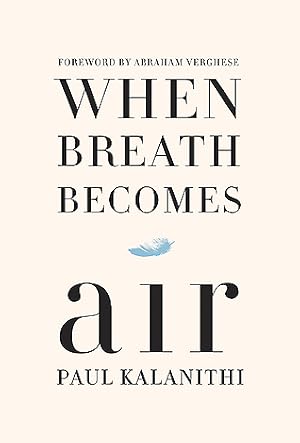
When Breath Becomes Air
Paul Kalanithi
★ 4.41 on Goodreads (859,143 ratings)
Why it’s here
The memoir of a neurosurgeon diagnosed with stage four lung cancer at 36. Abby names it as the book that changed her life; Kalanithi was the RA in a house she and Elizabeth lived in at Stanford. Passages from the book (including Lucy Kalanithi's epilogue) are read aloud in the episode.
“So Elizabeth, when you prompted sort of, you asked me to think about a book that had really changed my life in some way. And this book, in my first reading of it and in subsequent readings of it, because I'm now making it a habit to revisit it often, is enormously powerful in reminding me of how precious and short our lives are, which can sound trite.”
Abby Falik, at 04:48
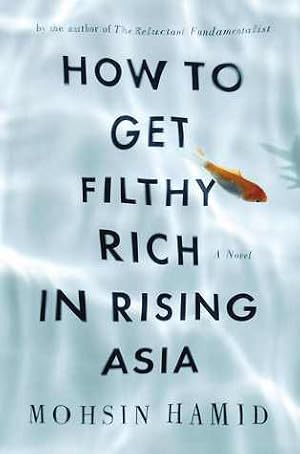
How to Get Filthy Rich in Rising Asia
Mohsin Hamid
★ 3.82 on Goodreads (24,437 ratings)
Why it’s here
A novel written in the second person as a mock self-help book, following a man from rural poverty to water tycoon. Abby offered it as her guilty-pleasure pick because of the title; Elizabeth responds with what moved her about the parent-child relationship in it.
“So you had asked originally, what's a book that was a guilty pleasure or that you were sort of embarrassed to have read? And this was the first thing that came to mind because the title is funny.”
Abby Falik, at 09:42
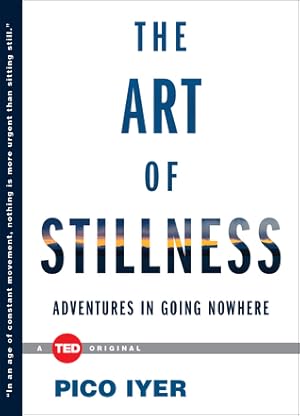
The Art of Stillness
Pico Iyer
★ 3.73 on Goodreads (8,787 ratings)
Why it’s here
A short book about sitting still and turning inward after a life of travel. Abby ties it to what her gap-year fellows experience and to her own practice of an unplugged Saturday.
“I just, I think Pico is just brilliantly gifted with language. So he always has the right words and, and he speaks quickly and he moves quickly. And yet this book, The Art of Stillness is about how he has managed to cultivate an inner stability, uh, how, how he spent the first half of his life traveling quickly around the world and, and sort of sees that the second half of his life is about exploring the inner terrain and that that is as exotic and vast and fascinating to him as anything he ever explored externally.”
Abby Falik, at 13:25
Anne Lamott
4 books · Listen to the episode
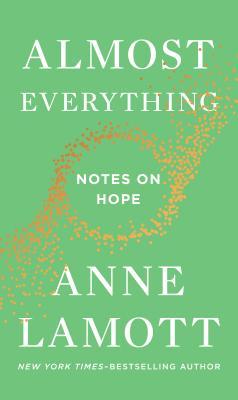
Almost Everything
Anne Lamott
Anne Lamott’s own book
★ 3.87 on Goodreads (14,670 ratings)
Why it’s here
Lamott's 2018 book of essays on finding hope in frightening times. She explains why she wrote it after the 2016 election and what its original title was.
“Not to politicize it, but after the last election, I felt that everyone I came upon was in despair, like I'd never seen before, in this profound anxiety. And people just felt, like, powerless and doomed. And, in fact, the original title of the book was Doomed. It was called Doomed, A Book of Hope. And my editor thought it was hilarious, but wouldn't go for it.”
Anne Lamott, at 03:47
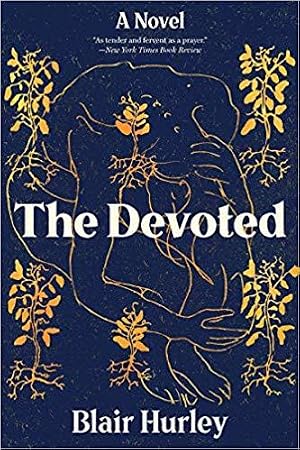
The Devoted
Blair Hurley
★ 3.59 on Goodreads (387 ratings)
Why it’s here
A 2018 debut novel about a young woman's pursuit of Buddhist enlightenment and her entanglement with a manipulative Zen master. Lamott was in the middle of reading it when asked to choose books.
“And I happened to be reading this one called The Devoted, and who's the writer, Blair Hurley?”
Anne Lamott, at 10:57
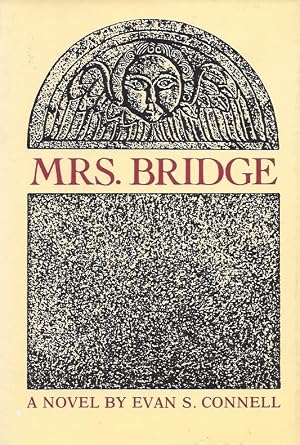
Mrs. Bridge
Evan S. Connell
★ 4.06 on Goodreads (8,177 ratings)
Why it’s here
Connell's 1959 novel, told in very short chapters, about an upper-middle-class housewife. Connell was a Lamott family friend, and the book showed her at 20 a new way to write a novel.
“And then the other one, Mrs. Bridge by Evan Connell, is a book I have been foisting for 40-some years on other writers. And he was one of our best family friends. In fact, he was the first man I wanted to marry. I was underneath a table. I was five or six, and my dad and him worked on this avant-garde literary magazine in Sausalito called Contact in the late 50s and early 60s.”
Anne Lamott, at 13:50
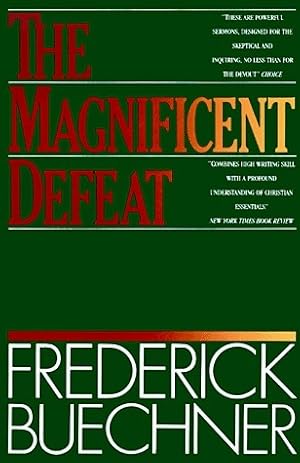
The Magnificent Defeat
Frederick Buechner
Picked by Elizabeth Khuri Chandler
★ 4.35 on Goodreads (803 ratings)
Why it’s here
Buechner's 1966 collection of sermons on surrender, which Lamott discusses in Almost Everything. Elizabeth brings it up to ask her about surrender itself.
“And you talk in the book about The Magnificent Defeat, the book The Magnificent Defeat, which is about surrender. That's such a difficult concept. I mean, how do you think people should approach the concept of surrender?”
Elizabeth, at 05:52
Radha Agrawal
3 books · Listen to the episode
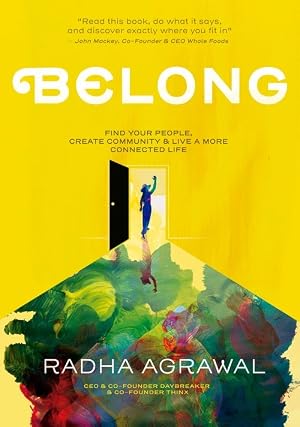
Belong
Radha Agrawal
Radha Agrawal’s own book
★ 3.60 on Goodreads (1,403 ratings)
Why it’s here
Radha's first book, a how-to guide to finding friends and building community, which grew out of the flood of requests she received after Daybreaker took off and out of her own realisation at 30 that she did not belong.
“And, I realized, oh my gosh, there is such a massive need for community building.”
Radha Agrawal, at 04:30
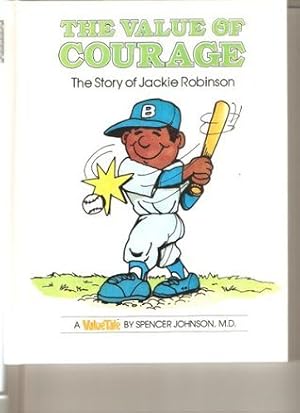
The ValueTales series
Spencer Johnson and Ann Donegan Johnson
★ 4.23 on Goodreads (144 ratings)
Why it’s here
The 1970s series of illustrated children's biographies, each tying a famous person to a value. Radha names them as the books that changed her life; she has read them since age three and now reads them to her nieces and nephews.
“I read them since I was, you know, three years old. And, I probably read them, I read them to this day, actually. I read them to my niece. They got passed down to my now nieces and nephews. But, things like the value of creativity, the value of learning. So, the value of creativity was the story of Thomas Edison. And, the value of learning was the story of Marie Curie.”
Radha Agrawal, at 07:07
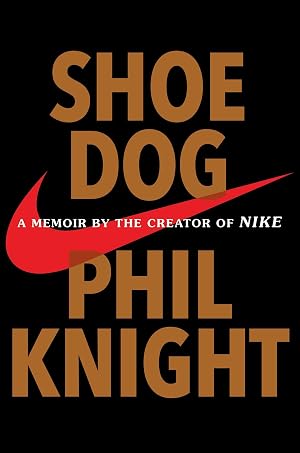
Shoe Dog
Phil Knight
★ 4.45 on Goodreads (393,165 ratings)
Why it’s here
Phil Knight's memoir of building Nike. Elizabeth enjoyed it but was conflicted about its bro culture; Radha recommends it for its relentlessness, as a lesson in what not to do, and as a reminder of how lonely work without friends is.
“And I think this book is actually really important for women to read, A, to sort of understand what not to do in terms of the bro culture side, but also to see how just sort of fearless men can be.”
Radha Agrawal, at 12:46
LeVar Burton
5 books · Listen to the episode
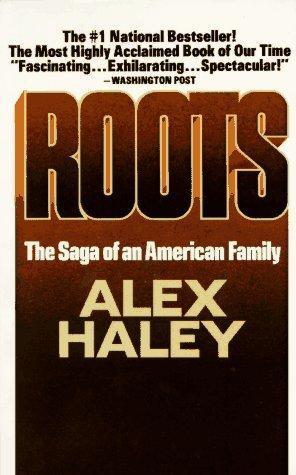
Roots
Alex Haley
★ 4.45 on Goodreads (166,913 ratings)
Why it’s here
Haley's multi-generational novel of an enslaved African and his descendants; Burton played Kunta Kinte in the 1977 miniseries. He added it to his list at the last minute as the single most influential book of his life, and returns to it late in the episode as a moment when America agreed on the truth.
“I thought, you know what, there's a book that I'm leaving off this list unintentionally that more than any other book has really shaped the course and trajectory of my life. And no other piece of literature I've ever read has reaffirmed who I am and why I'm here more than Roots by Alex Haley.”
LeVar Burton, at 02:29
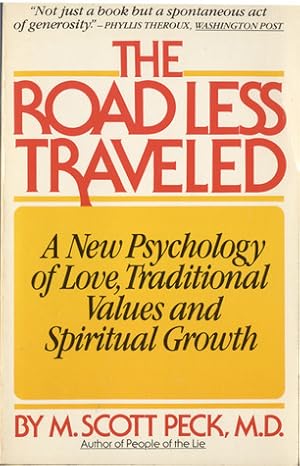
The Road Less Traveled
M. Scott Peck
★ 4.08 on Goodreads (104,411 ratings)
Why it’s here
Peck's 1978 classic on discipline, responsibility and spiritual growth. Burton names it as the book that changed his perspective, read in his late 20s or early 30s when he was looking for answers.
“I read that book for the first time when I was in my late 20s, early 30s. It was a time when I was really trying to figure a lot of things out.”
LeVar Burton, at 04:27
Captains Courageous
Rudyard Kipling
★ 3.85 on Goodreads (22,877 ratings)
Why it’s here
Kipling's 1897 sea adventure about a spoiled boy rescued by a fishing schooner. Burton read it in third grade and cites it as the book that turned him into a reader.
“So I read that book for the first time when I was in the third grade. And that is the book that I cite as the experience I was having when I got what reading was, when the light bulb went on, right?”
LeVar Burton, at 08:15

Autobiography of a Yogi
Paramahansa Yogananda
★ 4.25 on Goodreads (76,648 ratings)
Why it’s here
Yogananda's 1946 spiritual memoir. Burton first read it in 1989, a couple of years into Star Trek: The Next Generation, while sampling yoga, meditation and the self-help movement; it helped him reconcile his Catholic upbringing with his own idea of God.
“I read this book for the first time in 1989. So we had been shooting Star Trek: The Next Generation for a couple of years. My life had settled into a real beautiful routine. I had a steady job for the first time in my life as an actor.”
LeVar Burton, at 11:01
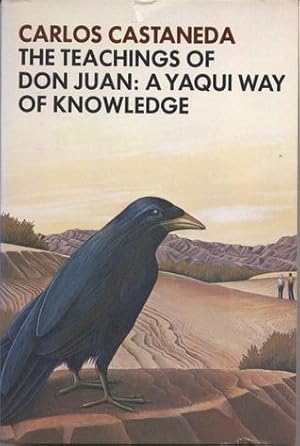
The Teachings of Don Juan
Carlos Castaneda
★ 3.93 on Goodreads (46,199 ratings)
Why it’s here
Castaneda's 1968 account of apprenticing to a Yaqui shaman. Burton read it in high school at the seminary, just as he was deciding to become an actor instead of a priest.
“So we have our hero, our protagonist, who establishes a relationship with a brujo, an Indian shaman who has power. And our protagonist wants power, wants to learn how to produce power and wield power.”
LeVar Burton, at 15:28
Marlon James
5 books · Listen to the episode
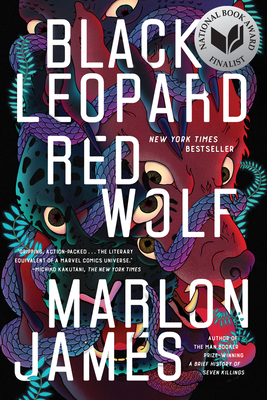
Black Leopard, Red Wolf
Marlon James
Marlon James’s own book
★ 3.45 on Goodreads (31,752 ratings)
Why it’s here
The first volume of his planned Dark Star trilogy, an epic fantasy drawing on African history and mythology. He explains why the move from literary fiction was not much of a leap, and how he had to set aside Western assumptions about night and darkness.
“I think for me, it wasn't much of a shift for two reasons. One, because I read so widely, and I read pretty much anything anybody put in front of me. I've always sort of read from all these genres, and I've always drawn from them.”
Marlon James, at 02:26

Dogeaters
Jessica Hagedorn
★ 3.61 on Goodreads (3,220 ratings)
Why it’s here
A multi-generational novel of Manila under dictatorship. James read it in college while trying to become a writer and saw Jamaica in it for the first time; it also cured him of literary snobbery about pop culture.
“I was still in college, I think, when I found this book, and I was trying to be a writer. I've always read really widely, but I've rarely seen my country or myself. Certainly not the one I know. Most of the books I've read at the time about Jamaica look at it through a very nostalgic lens.”
Marlon James, at 07:43

Shame
Salman Rushdie
★ 3.87 on Goodreads (13,383 ratings)
Why it’s here
Rushdie's satirical novel of a country much like Pakistan. A friend told James to read it after seeing his early prose; he read it hidden inside his Bible case in church, and it taught him he could laugh at the conventions of colonial English.
“So what happens in the novel is that the collective shame of the whole country becomes so acute, it becomes its own person. And the consequences are just devastating. That doesn't sound like it's funny, but it's actually really funny.”
Marlon James, at 12:23
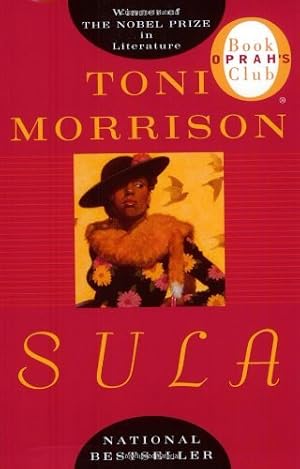
Sula
Toni Morrison
★ 4.06 on Goodreads (137,210 ratings)
Why it’s here
Morrison's novel of the friendship between Sula and Nel. A writer who told James he did not have a clue about writing women sent him to read it; one three-word line from the dying Sula, he says, changed his life.
“Because I was writing my first novel, post reading Shame, and a writer read it and said, you know, you're a pretty good writer, but you don't have a clue about women. And I was like, what are you talking about? I know tons of women. I mean, I have a mother, you know, I have sisters.”
Marlon James, at 17:37
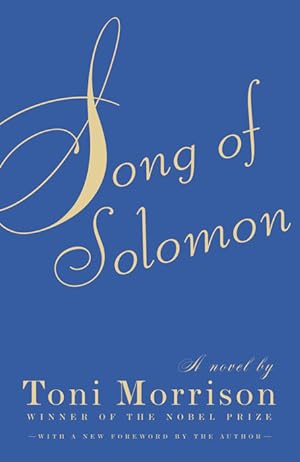
Song of Solomon
Toni Morrison
★ 4.17 on Goodreads (136,243 ratings)
Why it’s here
Named alongside Sula as the reading assignment that taught him to write women; he says both sit on his best-of-all-time list.
“She says, you need to read Sula and Song of Solomon by Toni Morrison. So both novels usually end up on my best of all time list.”
Marlon James, at 18:54
Dave Eggers
7 books · Listen to the episode
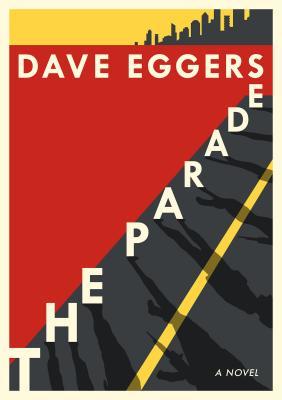
The Parade
Dave Eggers
Dave Eggers’s own book
★ 3.65 on Goodreads (9,512 ratings)
Why it’s here
Eggers' 2019 novel about two contractors paving a road in an unnamed post-conflict country. He describes the two types of foreigner he has seen in aid and contracting work, and why he likes the short novel form.
“The Parade is sort of a, you know, it's supposed to be an unnamed country, and this is about two contractors who are paving a road in a post-conflict country. And they're paving a road between the two formerly warring sides, and one of the two contractors is determined to do the work without looking left or right, just staring down the highway to the deadline.”
Dave Eggers, at 01:53

Victory
Joseph Conrad
★ 3.84 on Goodreads (4,424 ratings)
Why it’s here
Eggers cites Joan Didion's favorite book as the model for a novel short enough to read in one sitting, which is what he was aiming for with The Parade.
“Yeah, Joan Didion used to say that her favorite book was Joseph Conrad's Victory and that she was always seeking to write a book that could be read in one sitting.”
Dave Eggers, at 03:40
Surviving Justice
Voice of Witness series, edited by Dave Eggers and Lola Vollen
★ 4.29 on Goodreads (357 ratings)
Why it’s here
Oral-history book series Eggers co-founded, published through McSweeney's. He tells how it began after he introduced Studs Terkel at Berkeley, and discusses exoneree Beverly Monroe's story.
“And afterward, Dr. Lola Vollen came up to me in the lobby and said, well, if you're interested in oral history, the wrongfully convicted men and women in the U.S. need to have a forum to tell their stories. And I thought, well, I had, you know, we have McSweeney's, our little publishing company. Maybe we can make this happen.”
Dave Eggers, at 08:23
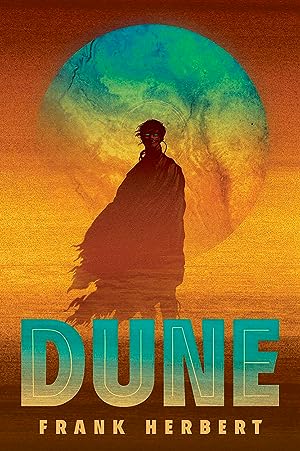
Dune
Frank Herbert
★ 4.29 on Goodreads (1,720,455 ratings)
Why it’s here
The book that got him hooked on reading at 14, picked by its cover in a high-school counselor's book-lined office where students had to sit and read.
“I was in high school and I had always read whatever they assigned me to read, but I hadn't been a big reader on my own.”
Dave Eggers, at 11:00
How Much Land Does a Man Need?
Leo Tolstoy
★ 4.11 on Goodreads (21,787 ratings)
Why it’s here
A Tolstoy short story he says he loves to reread.
“There's a story called How Much Land Does a Man Need that I love to reread.”
Dave Eggers, at 13:34

Anna Karenina
Leo Tolstoy
★ 4.11 on Goodreads (973,193 ratings)
Why it’s here
Eggers had just reread it properly for the first time since being a student. Elizabeth brought her own high-school copy. The talk moves to Tolstoy's wit, the book as popular rather than academic, and Anna as a character who would be dismissed today as unlikable.
“I had read Anna Karenina as like a student, you know, as an under the gun. But last month I really had time to feast on it.”
Dave Eggers, at 13:43

Gulliver's Travels
Jonathan Swift
★ 3.59 on Goodreads (306,061 ratings)
Why it’s here
Eggers had recently been reading it with his 10-year-old son and found the language hard going. He uses it as an example of a classic we are not obliged to love forever.
“You have Gulliver's Travels there. Gulliver's Travels doesn't survive the same way. It's the language is, and it's so funny because it's English, but, um, it, uh, is really tough sledding to get through that now, especially if you're reading it with younger people, which I was recently.”
Dave Eggers, at 15:39
Nora McInerny
4 books · Listen to the episode
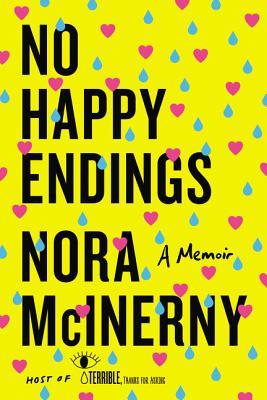
No Happy Endings
Nora McInerny
Nora McInerny’s own book
★ 4.21 on Goodreads (7,767 ratings)
Why it’s here
Nora's second memoir, about life as a widow who falls in love again. Elizabeth praises it and asks why she wrote it; Nora says readers wrongly assumed she had "moved on".
“That makes me so happy. Also, hopeful, sad, and funny is what I want, like, tattooed on my body.”
Nora McInerny, at 01:45
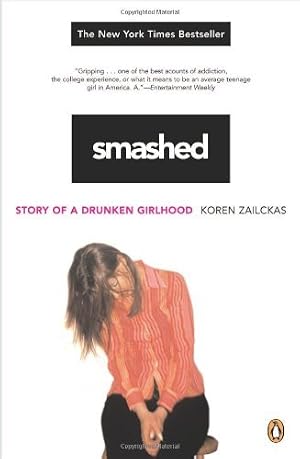
Smashed
Koren Zailckas
★ 3.53 on Goodreads (25,001 ratings)
Why it’s here
A memoir of teenage and college binge drinking. Nora bought it while working at her college bookstore; it made her see her own drinking and showed her someone her age could write a memoir.
“And I bought that from the college bookstore. And I remember reading it and being like, oh, maybe the way my friends and I drink isn't good. I had never read a memoir by someone who was basically my age.”
Nora McInerny, at 08:24

Food Freedom Forever
Melissa Hartwig
★ 3.86 on Goodreads (4,305 ratings)
Why it’s here
A companion to the Whole30 program about ending shame around food habits.
“I feel like the Whole30 is often sort of mischaracterized as a diet when really it's like a way of taking care of yourself.”
Nora McInerny, at 12:01

Man's Search for Meaning
Viktor Frankl
★ 4.36 on Goodreads (946,798 ratings)
Why it’s here
Frankl's memoir of surviving Nazi camps. Nora first read it while depressed in college; later her husband Aaron pulled it off her shelf after his cancer diagnosis and they shared the same copy.
“And and when Aaron was diagnosed with cancer, it was a book that he pulled off my bookshelf and was like, what is this one about? This looks short enough for me to read.”
Nora McInerny, at 14:28
Frederic Tuten
6 books · Listen to the episode
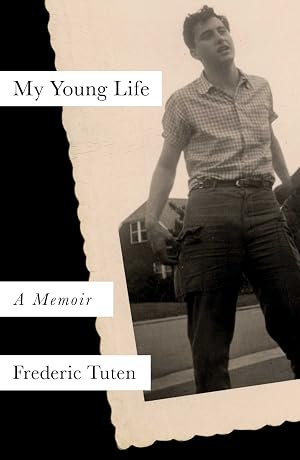
My Young Life
Frederic Tuten
Frederic Tuten’s own book
★ 4.32 on Goodreads (94 ratings)
Why it’s here
Tuten's memoir of his Bronx childhood and coming of age in 1950s Greenwich Village. He explains that he never meant to write one, and did so to keep his dead friends and family from vanishing.
“I never thought I'd write a memoir. I always thought that was sort of, I don't know how to put it, cheap? I guess it's a silly thing to say. But too easy. I thought it was always too easy. I lived, I did this, I did that. But I came around to a very different feeling later in life, the last 10 years, I would say, because many of my wonderful, dearest friends have died.”
Frederic Tuten, at 01:28

Adventures of Huckleberry Finn
Mark Twain
★ 3.83 on Goodreads (1,356,582 ratings)
Why it’s here
The books his mother brought home from the library when he was a child in bed with rheumatic fever; his answer to why he reads.
“I was absorbed with them. My mother would go to the library to me, for me, when I was sick in bed, when I had rheumatic fever, and bring me books like Huckleberry Finn and Kidnapped, Robert Louis Stevenson.”
Frederic Tuten, at 04:08

Kidnapped
Robert Louis Stevenson
★ 3.79 on Goodreads (69,487 ratings)
Why it’s here
The books his mother brought home from the library when he was a child in bed with rheumatic fever; his answer to why he reads.
“I was absorbed with them. My mother would go to the library to me, for me, when I was sick in bed, when I had rheumatic fever, and bring me books like Huckleberry Finn and Kidnapped, Robert Louis Stevenson.”
Frederic Tuten, at 04:08

The Magic Mountain
Thomas Mann
★ 4.13 on Goodreads (66,654 ratings)
Why it’s here
Mann's novel of a young man who visits a cousin in a sanatorium and stays seven years. Tuten struggled through the opening as a kid, then could not bear for it to end; he talks about how the book handles time and what it taught him about reason and passion.
“I think about it. I go back to reading it every so while. It's called The Magic Mountain, a novel by Thomas Mann.”
Frederic Tuten, at 06:13
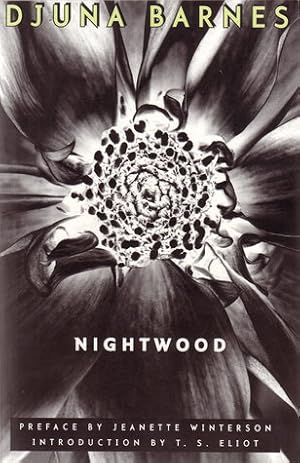
Nightwood
Djuna Barnes
★ 3.60 on Goodreads (15,486 ratings)
Why it’s here
Barnes's 1936 modernist novel of love and revenge. Tuten loves it for the way it breaks every workshop rule, and for Barnes's own self-made life; it taught him how much freedom a writer has if not frightened.
“Djuna Barnes, it's a crazy book, a marvelous book, an exciting book, difficult book. It's about love and revenge. It's about a woman loving a woman with passionate intensity and about revenge for the person who took her away from her.”
Frederic Tuten, at 10:14

Pedro Páramo
Juan Rulfo
★ 4.04 on Goodreads (113,268 ratings)
Why it’s here
Rulfo's 1955 Mexican novel of a son who goes looking for his father and finds a town of the dead. Tuten cites Garcia Marquez on its influence and says he returns to it the way you return to people you love.
“García Márquez said, there would be none of us, meaning him and Vargas Llosa and all the Mexicans, all the South Americans. We would not exist if it had not been for Juan Rulfo. His one novel, one novel, Pedro Páramo.”
Frederic Tuten, at 15:40
Will Schwalbe
8 books · Listen to the episode
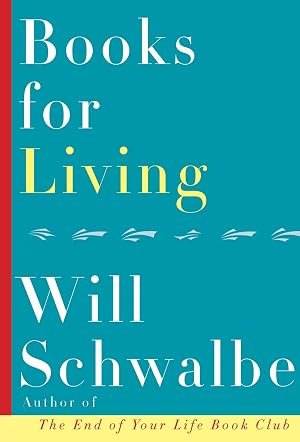
Books for Living
Will Schwalbe
Will Schwalbe’s own book
★ 3.86 on Goodreads (5,203 ratings)
Why it’s here
Will's most recent book, about 26 books that found him when he needed them, and his argument that there is no required canon, only the right book at the right time.
“Well, Books for Living was a real joy to write, and it was so fun to write because it's a book about 26 books that really found me when I needed them most.”
Will Schwalbe, at 01:28
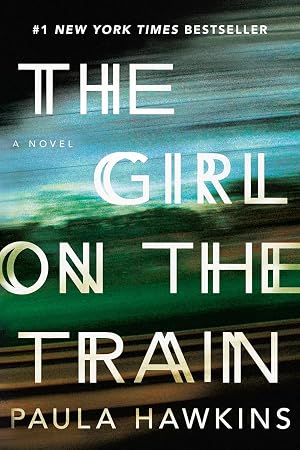
The Girl on the Train
Paula Hawkins
★ 3.96 on Goodreads (3,402,945 ratings)
Why it’s here
One of the books he writes about in Books for Living, as an example of a mystery teaching a life lesson.
“Maybe it will be a mystery that teaches you who you can trust and who you can't. So I write about The Girl on the Train.”
Will Schwalbe, at 01:46

Stuart Little
E.B. White
★ 3.89 on Goodreads (135,645 ratings)
Why it’s here
A childhood book he writes about in Books for Living, for what it shows about being different from your parents.
“Or maybe it's a book from your childhood like Stuart Little, which shows the fact that you can be so different from your parents and still not lose their love.”
Will Schwalbe, at 01:53
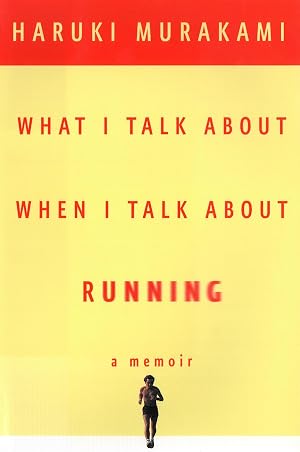
What I Talk About When I Talk About Running
Haruki Murakami
★ 3.86 on Goodreads (220,005 ratings)
Why it’s here
Murakami's memoir about marathon running, which Will, a non-runner, loves for one paragraph about naps.
“One of the books that I wrote about is Murakami's What I Talk About When I Talk About Running. And Haruki Murakami is obviously a beloved modern Japanese novelist famous for books like A Wild Sheep Chase. But he wrote this book about being a marathon runner.”
Will Schwalbe, at 02:47

The Importance of Living
Lin Yutang
★ 4.05 on Goodreads (1,470 ratings)
Why it’s here
A 1937 bestseller on enjoying life's simple pleasures, which Will reads as a humanist answer to totalitarianism. He found it through Christopher Isherwood, brought it back into print while at William Morrow, and ties it to a colleague's blunt remark about his refusing to take a vacation.
“If I do nothing more than get more and more people to pick up The Importance of Living by Lin Yutang, I feel like that will be enough. This is the most extraordinary book. It was written in 1937.”
Will Schwalbe, at 03:48
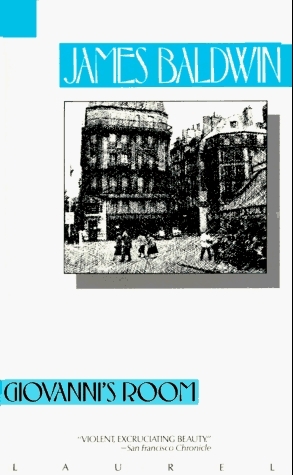
Giovanni's Room
James Baldwin
★ 4.34 on Goodreads (309,017 ratings)
Why it’s here
Baldwin's novel of an American in Paris, which Will found as a gay teenager at a 1970s boarding school because the librarian, Miss Locke, quietly left it on the library cart for him.
“This book is tied very deeply in my mind with an extraordinary woman, our school librarian, whose name was Miss Locke. I was at an Episcopal boarding school in Concord, New Hampshire, and this was the 70s. And I knew that I was gay, but there had never been an out gay student or faculty member in the history of our school.”
Will Schwalbe, at 10:01
A Little Life
Hanya Yanagihara
★ 4.26 on Goodreads (1,021,550 ratings)
Why it’s here
The novel about four friends that an older friend ordered him to read, calling it the best book on friendship he knew; it made Will ask whether he has been a good enough friend.
“This was a full on, Will, you have to read A Little Life by Hanya Yanagihara. And then he said something very interesting about it. He said, I think it's the best book on friendship that I've ever read.”
Will Schwalbe, at 13:15
Why I Wake Early
Mary Oliver
★ 4.40 on Goodreads (9,838 ratings)
Why it’s here
Mary Oliver's poetry collection; Will speaks about her shortly after her death in January 2019, the title poem is read aloud, and he calls her an antidote to a reactive, electronic world.
“I love the opportunity to talk about Why I Wake Early by Mary Oliver, who was a national treasure, poet, winner of the National Book Award and Pulitzer Prize. And I'm especially moved to talk about her because she died in January of this year.”
Will Schwalbe, at 16:30
Jared Diamond
7 books · Listen to the episode
Kings and Things
H. E. Marshall
★ 4.34 on Goodreads (35 ratings)
Why it’s here
The children's history book his schoolteacher mother used to teach him to read at age three; he still owns the copy and links it to a childhood lived with wartime maps on his bedroom wall.
“No, I did not become a reader until the age of three. My mother was a school teacher. Mom loved teaching us. Mom afterwards said the happiest times of her life were when she was teaching and bringing up my sister and me.”
Jared Diamond, at 02:36

Walden
Henry David Thoreau
★ 3.77 on Goodreads (209,233 ratings)
Why it’s here
First on his stack. He read it three times, the last as a struggling graduate student in England, when its message nearly drove him out of science.
“These are the books that have had most influence on my life.”
Jared Diamond, at 04:27
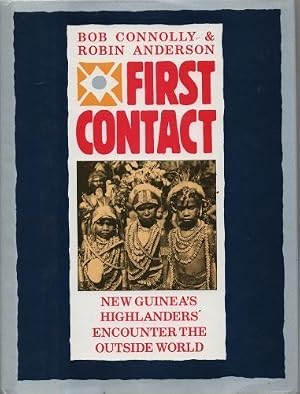
First Contact
Bob Connolly and Robin Anderson
★ 4.08 on Goodreads (61 ratings)
Why it’s here
An account by two Australian journalists who went back 50 years later to interview the New Guinea Highlanders first contacted by the Leahy brothers in the early 1930s. It comes up as he explains why he keeps returning to New Guinea.
“And eventually when I went there in 1964, New Guinea was still the last unknown. There were still lots of uncontacted people who had had no contact with the outside world. And some of my New Guinea friends were still making stone tools before I met them.”
Jared Diamond, at 06:27

The Complete Sherlock Holmes
Arthur Conan Doyle
★ 4.51 on Goodreads (220,961 ratings)
Why it’s here
Read first in high school, read aloud to his sons, and reread every five or ten years. He argues the best stories came before Holmes's "death" at Reichenbach Falls and that Conan Doyle felt trapped by his creation.
“Sherlock Holmes I read for the first time in high school. I read Sherlock Holmes to my sons. I reread Sherlock Holmes about every five or ten years. And I will undoubtedly get to read Sherlock Holmes once more.”
Jared Diamond, at 10:53
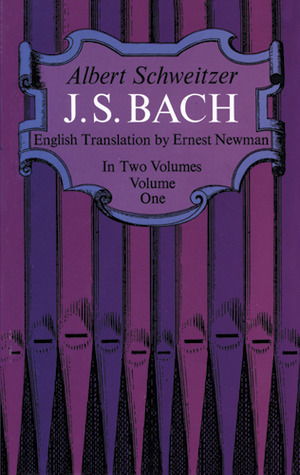
J.S. Bach
Albert Schweitzer
★ 4.15 on Goodreads (81 ratings)
Why it’s here
Schweitzer's biography of Bach, which argues that Bach's music represents its texts. Reading it led to an organ recital in Cambridge that made him teach himself the organ overnight.
“So other books that changed my life. Albert Schweitzer, biography of Bach. This book, this is another book that changed my life. I love the music of Bach.”
Jared Diamond, at 12:57

If This Is a Man
Primo Levi
★ 4.35 on Goodreads (91,183 ratings)
Why it’s here
Levi's memoir of Auschwitz, which Diamond reads in Italian (all his leisure reading is in Italian) and has read about six times. It is personal: his wife Marie's mother survived Auschwitz.
“My wife's mother was in Auschwitz. Marie and I both visited Auschwitz. So, it's a book that means something to me.”
Jared Diamond, at 15:40
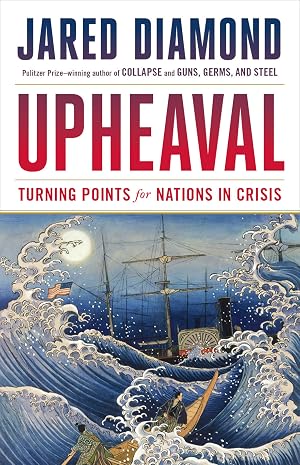
Upheaval
Jared Diamond
Jared Diamond’s own book
★ 3.90 on Goodreads (12,017 ratings)
Why it’s here
His new book at the time of recording, on how seven countries came through national crises. He draws out its lessons: honest self-appraisal, not denying reality, and accepting responsibility.
“So, the lessons seem so obvious, they seem so banal, but they're worth restating because so many countries have failed to pay attention to the most banal things. The most banal things include being honest with oneself.”
Jared Diamond, at 17:33
Melinda Gates
5 books · Listen to the episode
The Moment of Lift
Melinda Gates
Melinda Gates’s own book
★ 4.27 on Goodreads (65,446 ratings)
Why it’s here
Melinda's first book, a call to action for women's empowerment. She explains where the title comes from: watching Apollo launches as a child, and Mark Nepo's idea of a moment of grace.
“And, um, you know, the title of my book, The Moment of Lift, I talk about early on in the book that it really comes from the Apollo space launches that I got to watch as a little girl in the, my jammies with my sister. My dad was an Apollo engineer.”
Melinda Gates, at 14:45
Awakening Joy
James Baraz and Shoshana Alexander
★ 4.13 on Goodreads (827 ratings)
Why it’s here
A ten-step guide to happiness with gratitude at its centre. A walking partner's son, a Stanford computer science student, passed it to his mother, who passed it to Melinda; she carried it in her purse for almost two years.
“And yet the book that he wanted to recommend to his mom and that she recommended to me then was Awakening Joy because he said it transformed how he looked at life. And so I read that book and I read it cover front to back. And then I read it again chapter by chapter very slowly over the course of a year. I must have carried that book around for almost two years in my purse because I felt like there were so many lessons in it that I could apply to my life. And I would say the number one, the first one is absolutely gratitude.”
Melinda Gates, at 10:09
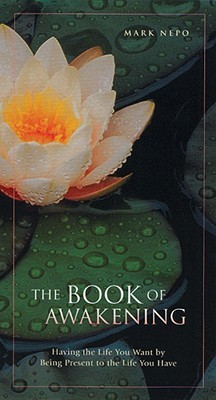
The Book of Awakening
Mark Nepo
★ 4.22 on Goodreads (11,042 ratings)
Why it’s here
A book of daily reflections by the poet Mark Nepo, written after his recovery from cancer. A birthday gift from her sister-in-law; Melinda reads from it every morning and packs it on every trip.
“Um, my sister-in-law, uh, gave this to me for my birthday one year. And, um, she knew that I was doing an exploration of my spirituality. She's actually in my spirituality group. And she just thought somehow this book might speak to me.”
Melinda Gates, at 12:44

Sapiens
Yuval Noah Harari
★ 4.32 on Goodreads (1,337,534 ratings)
Why it’s here
Harari's sweeping history of the human species. A friend gave it to Bill Gates for his birthday; Melinda picked it up afterwards and found it filled gaps in her world history and connected to her thinking on bias, from Hammurabi's code to AI.
“And he told me, and I opened the first two pages and I'm like, wow, this is a book I want to read. And I said to Bill, do you think I would like this book? He said, yeah, I think you'd really like it. And I think what I loved about it again was it was, it took this macro view of the world and explained some things throughout time.”
Melinda Gates, at 16:34
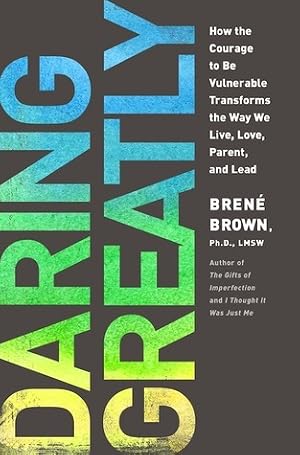
Daring Greatly
Brené Brown
★ 4.29 on Goodreads (250,530 ratings)
Why it’s here
Brené Brown's book on vulnerability and courage, which opens with Theodore Roosevelt's "man in the arena" passage. Melinda read it the year she first spoke out publicly on contraceptives.
“About the fact that it's the person in the arena doing the work, not the critics sitting on the side who should be counted. It's a quote from Teddy Roosevelt. And I thought, yeah, that's right.”
Melinda Gates, at 20:53
Helen Hoang
6 books · Listen to the episode
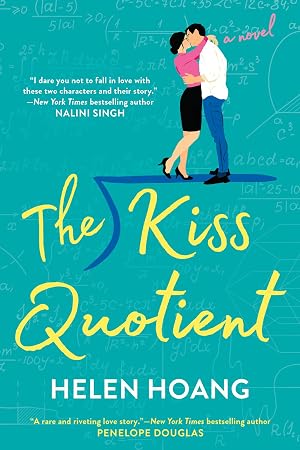
The Kiss Quotient
Helen Hoang
Helen Hoang’s own book
★ 3.86 on Goodreads (515,885 ratings)
Why it’s here
Helen's 2018 debut, a gender-swapped "Pretty Woman" in which Stella, a woman on the autism spectrum, hires an escort to teach her about dating. Helen explains how researching the heroine led to her own diagnosis.
“And I thought that for this story, this reverse pretty woman story, that that was a compelling reason for someone to hire an escort. If they, if they didn't know how to interact with people, they didn't know how to date. Uh, you know, cause I, when I was fumbling through dating that I would have loved to have, you know, a practice session beforehand.”
Helen Hoang, at 05:32
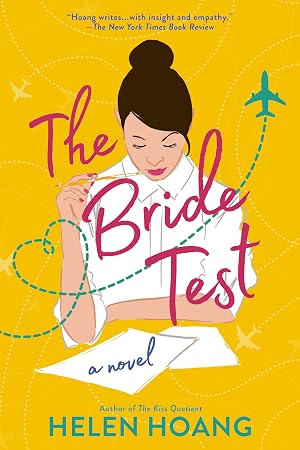
The Bride Test
Helen Hoang
Helen Hoang’s own book
★ 3.80 on Goodreads (187,048 ratings)
Why it’s here
Helen's second novel: Khai, an autistic Vietnamese-American man, and the woman his mother brings from Vietnam to marry him. Helen wrote it to counter the stereotype that autistic men are heartless, and based the heroine on her mother, a refugee.
“Um, because I'm on the spectrum and I love my husband and the other people I've talked to on the spectrum are some of the kindest, most considerate people I, I, I know. And, and, and, and I really wanted to prove that wrong in this book and, and to share how we might look emotionless or cold, but it's not true.”
Helen Hoang, at 09:41
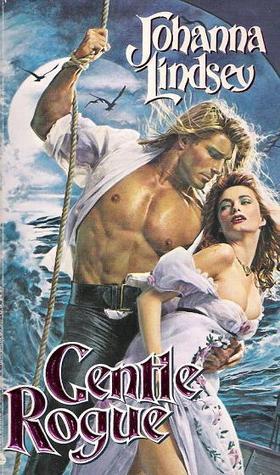
Gentle Rogue
Johanna Lindsey
★ 4.17 on Goodreads (24,409 ratings)
Why it’s here
The first romance she ever read, bought at Kmart in eighth grade after realizing the love story was the only part of thrillers she liked. She says it changed her life and set her on her path as a writer.
“And I picked out Gentle Rogue by Johanna Lindsey, which is about this girl who is trying to, to get to Great Britain to, in order to do this, you know, she's running away from home. She pretends to be a cabin boy on this captain's ship and she ends up falling for the captain, of course, who's this gorgeous man who is like 20 years older than her, which was really common in Johanna Lindsey books.”
Helen Hoang, at 17:14
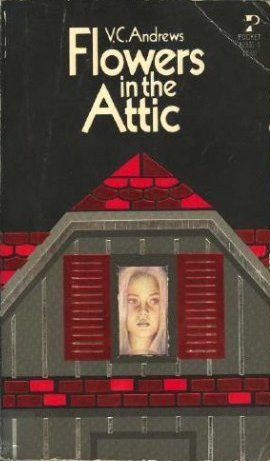
Flowers in the Attic
V.C. Andrews
★ 3.86 on Goodreads (247,856 ratings)
Why it’s here
The book that got her hooked on reading, around fifth grade; she found a copy at home and read it in one sitting, then went on to the rest of the series. Elizabeth remembers it being passed around her own elementary school.
“And when I started reading it, I just couldn't stop. It was the first book that I read that I had to read all the way. And I read it in one sitting from, from cover to cover. And, and, and after I was done, I was hooked.”
Helen Hoang, at 20:51
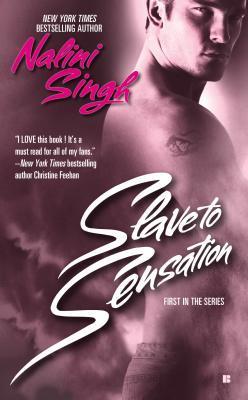
Slave to Sensation
Nalini Singh
★ 4.08 on Goodreads (80,482 ratings)
Why it’s here
Her comfort re-read and the opener of a paranormal romance series she loves for its world-building. She identifies with the Psy characters, who look emotionless but feel a great deal, and ties that to being on the spectrum.
“So she has this massively popular series called the Psy Changeling, uh, series. It's paranormal romance. And I, I just love the entire series. It's, what I think is so neat about it is it has this terrific world building that I've never seen anywhere.”
Helen Hoang, at 23:14
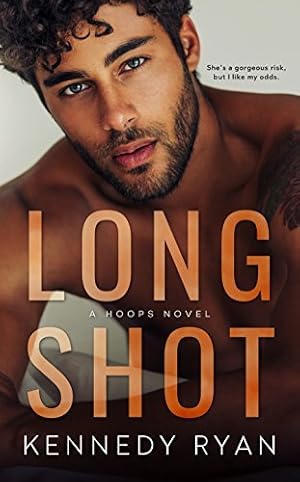
Long Shot
Kennedy Ryan
★ 4.16 on Goodreads (84,644 ratings)
Why it’s here
What she was reading at the time of the interview: an intense romance that depicts domestic abuse. She gives a content warning and praises how it shows why people stay.
“So I'm currently reading Long Shot by Kennedy Ryan.”
Helen Hoang, at 28:38
Neil Gaiman
7 books
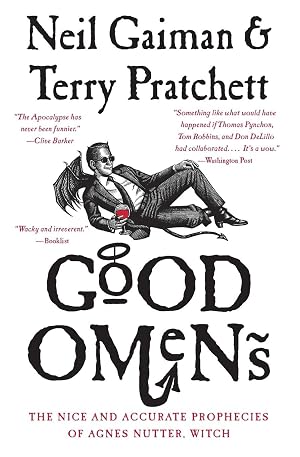
Good Omens
Terry Pratchett and Neil Gaiman
Neil Gaiman’s own book
★ 4.25 on Goodreads (849,596 ratings)
Why it’s here
The 1990 comic novel about an angel and a demon trying to find the lost Antichrist. Gaiman tells how it grew from his abandoned opening pages, how Pratchett phoned to propose writing it together, and how Pratchett's last request led him to make the TV series.
“And I wrote 5,000 words, the first 5,000 words of a book which was going to be called William the Antichrist. And I sent it to a few of my friends just for feedback. And one of the friends I sent it to was Terry.”
Neil Gaiman, at 04:21
The Book of the New Sun
Gene Wolfe
★ 3.84 on Goodreads (38,429 ratings)
Why it’s here
Wolfe's four-volume far-future novel (plus the coda The Urth of the New Sun). Gaiman had been rereading Wolfe after his recent death, and says this was the book that showed him a writer could write to be reread.
“I've been rereading recently, because he died very recently, a lot of Gene Wolfe and a lot of his short stories. And, you know, mostly just admiring the artistry, admiring the brilliance, admiring the way that he does it. And then every now and then, it's like a knee to the groin and I, it hurts and there are emotions and, you know, I'm always grateful to Gene from beyond the grave for that.”
Neil Gaiman, at 15:39
Peace
Gene Wolfe
★ 4.11 on Goodreads (2,813 ratings)
Why it’s here
Wolfe's 1975 novel, which reads as a gentle Midwestern memoir until a second reading reveals something much darker. Gaiman pairs it with The Book of the New Sun as the books that taught him how to read.
“I think the Book of the New Sun and another book of Gene's called Peace, in some ways I think taught me how to read or taught me how to read in a different way. The first time I read Peace, I read it as a very sweet memoir of a life spent in the Midwest.”
Neil Gaiman, at 17:19

Lud-in-the-Mist
Hope Mirrlees
★ 3.85 on Goodreads (10,342 ratings)
Why it’s here
A 1926 fantasy novel about a staid town on the border of Fairyland. Gaiman found it at 11 or 12 in the Ballantine Adult Fantasy reprint and says it showed him what fiction could do.
“And I read it probably when I was 11 or 12 years old. And, again, it haunted me, partly because it showed me, I felt it showed me what fiction could do.”
Neil Gaiman, at 20:44
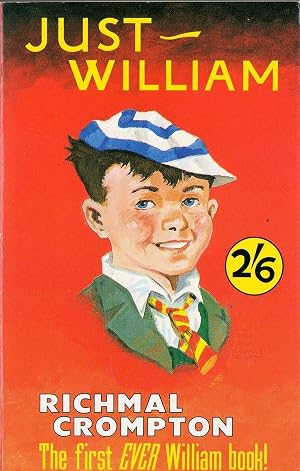
Just William
Richmal Crompton
★ 4.08 on Goodreads (5,625 ratings)
Why it’s here
The long-running English comic stories about 11-year-old William Brown and his gang, the Outlaws. Gaiman loved them as a child, and they became the seed of Good Omens, whose first draft was called William the Antichrist.
“I thought, well, actually, the Just William books changed my life, but they changed it in a very strange way because I loved these books when I was a kid. I had copies inherited from my mother and from my aunts, wrapped in old wallpaper and these glorious books that I would read and reread.”
Neil Gaiman, at 23:13

The Man Who Was Thursday
G.K. Chesterton
★ 3.82 on Goodreads (49,093 ratings)
Why it’s here
Chesterton's 1908 metaphysical thriller about a poet who infiltrates a council of anarchists named for the days of the week. Gaiman found it in his school library, rereads it every five years, and bonded with Terry Pratchett over it.
“So I found The Man Who Was Thursday on those shelves, read it and loved it, and discovered it was a book that I could go back to every five years and still love it.”
Neil Gaiman, at 27:08

The Lord of the Rings
J.R.R. Tolkien
★ 4.55 on Goodreads (751,682 ratings)
Why it’s here
His school library only had the first two volumes, so he read them over and over without knowing how the story ended.
“And the school library, I think it had been stocked in about 1910 and again in about 1935 and again in about 1955, which meant they had these battered first edition copies of The Hobbit and of all three books of Lord of the Rings. Actually, only the first two books of Lord of the Rings. I had to win the school English prize in order to find out how it ended. And I got a copy of The Return of the King.”
Neil Gaiman, at 26:27
Quotes are from conversations on Books of Your Life with Elizabeth. As an Amazon Associate, Books of Your Life earns from qualifying purchases.

